Slavery and it's setting in North America


Plantation Life

Harriet Jacobs


Fugitive Slave Act/ Law

Works Cited:
http://www.pbs.org/wgbh/aia/part1/1narr5.html
http://africanhistory.about.com/od/slavery/tp/TransAtlantic001.htm
http://cghs.dadeschools.net/slavery/antebellum_slavery/plantation_slave_life/health.htm
http://www.google.com/#sclient=psy&hl=en&tbs=tl:1&q=abolition%20movement%20fa&aq=f&aqi=&aql=&oq=&pbx=1&bav=on.2,or.r_gc.r_pw.&fp=158f5021afbf0802&pf=p&pdl=3000
http://www.nationalcenter.org/FugitiveSlaveAct.html

- The growth of slavery in North America was because it became a highly profitable system for slave owners.
- As the demand for rice, tobacco, and cotton increased, so did the demand for slaves
- In the early 1700's, the population of Africans out grew Europeans
- Whipping, branding, dismembering, castrating, or killing a slave were legal under many circumstances.
- Africans eventually fought back and rebelled, leaving the white people scared of them

- The slave trade began towards the beginning of the 15th century
- Europeans started importing slaves due to the declining population. They needed to create more products that could be exported.
- The British soon entered and dominated the slave trade.
- In order to make the slave trade seem less extreme, the Europeans claimed that they were taking Africans for the purposes of religion, therefore gaining the support of churches.
- Slaves were introduced to new diseases and suffered from malnutrition long before they reached the new world.
Plantation Life

- In the 18th century, most slaves worked on a plantation.
- After over planting the seeds, many of the soil's products began to die down
- As the demand for cotton grew, so did the demand for slaves
- It used to take over ten hours for just one slave to produce one clean pound of cotton
- A work day consisted of 15-16 hours a day, during harvest time and, could go on during harvest and milling for 16-18 per week 7 days a week.
Harriet Jacobs
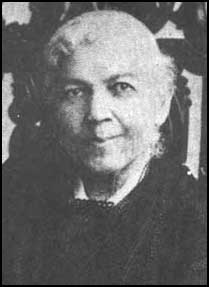
- Harriet Jacobs was an author and an American Abolitionist
- She was born into slavery
- Her master had cruel sexual intentions
- She bore two children by an unmarried white man
- Jacobs escaped after realizing that her master wanted to put her children to work, in June of 1835.

- This was essentially the ending of the slave trade.
- There were many anti-slavery protests to stop the slave trade.
- Many abolitionists were interested in their cause as well as politics, most favored republicans.
- By January 1st, 1863, most states were free states.
- Its goal was to send the free slaves to Liberia and Africa. This was widely accepted in the Northern states but not so much in the Southern states.
Fugitive Slave Act/ Law

- The Fugitive Slave Act / Law was passed in 1793.
- It basically allowed the right for warrants to be made on run away slaves.
- Commissioners who actually caught and apprehended a fugitive slave, received ten dollars.
- Those who caught slaves but decided that they should be free, only received five dollars.
- This act / law also denied any fugitive to claim that they are free, a trial by jury. Under no circumstances were they allowed to collect evidence or claim their own freedom.
Works Cited:
http://www.pbs.org/wgbh/aia/part1/1narr5.html
http://africanhistory.about.com/od/slavery/tp/TransAtlantic001.htm
http://cghs.dadeschools.net/slavery/antebellum_slavery/plantation_slave_life/health.htm
http://www.google.com/#sclient=psy&hl=en&tbs=tl:1&q=abolition%20movement%20fa&aq=f&aqi=&aql=&oq=&pbx=1&bav=on.2,or.r_gc.r_pw.&fp=158f5021afbf0802&pf=p&pdl=3000
http://www.nationalcenter.org/FugitiveSlaveAct.html


